

How to Write a Compliant Fire Door Schedule Entry (NBS Format)
A step-by-step guide to writing a compliant fire door schedule entry in NBS format: EN classification, smoke, frame, hardware, gap fill, DoP and ETA — with a worked example.
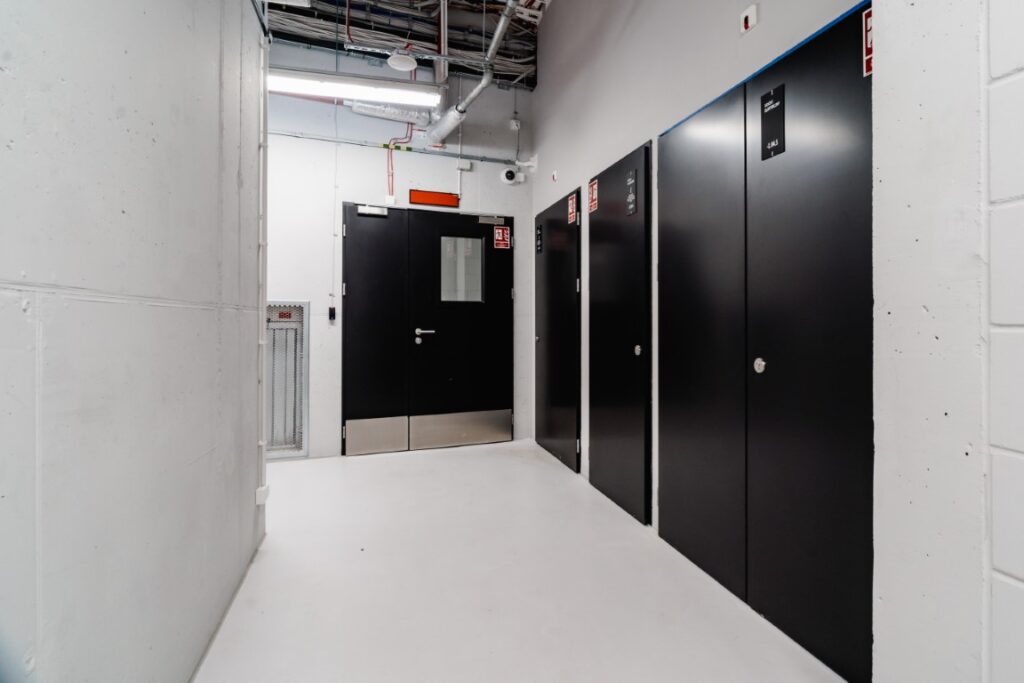
RC3 + Fire: Specifying Security and Fire Resistance Together
Some openings must resist a determined intruder and a fire at once. Combining RC3 and fire resistance in one leaf is possible — within defined limits.
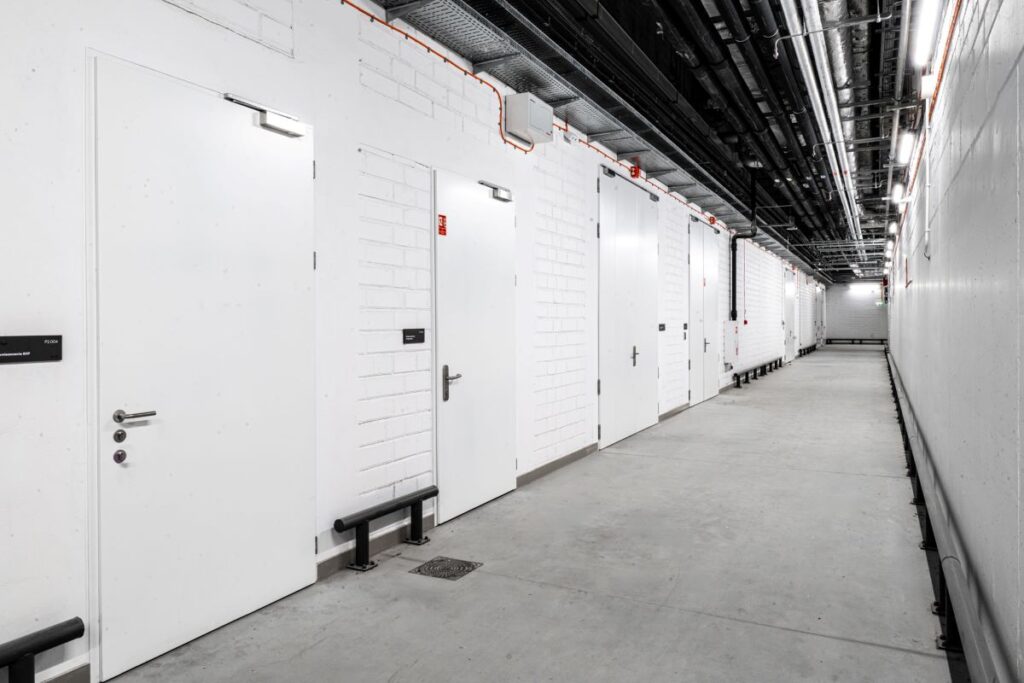
Specifying Fire Doors for Data Centres
Data centres combine high-value assets, continuous thermal load and large openings — a fire-door specification challenge standard guidance rarely addresses directly.
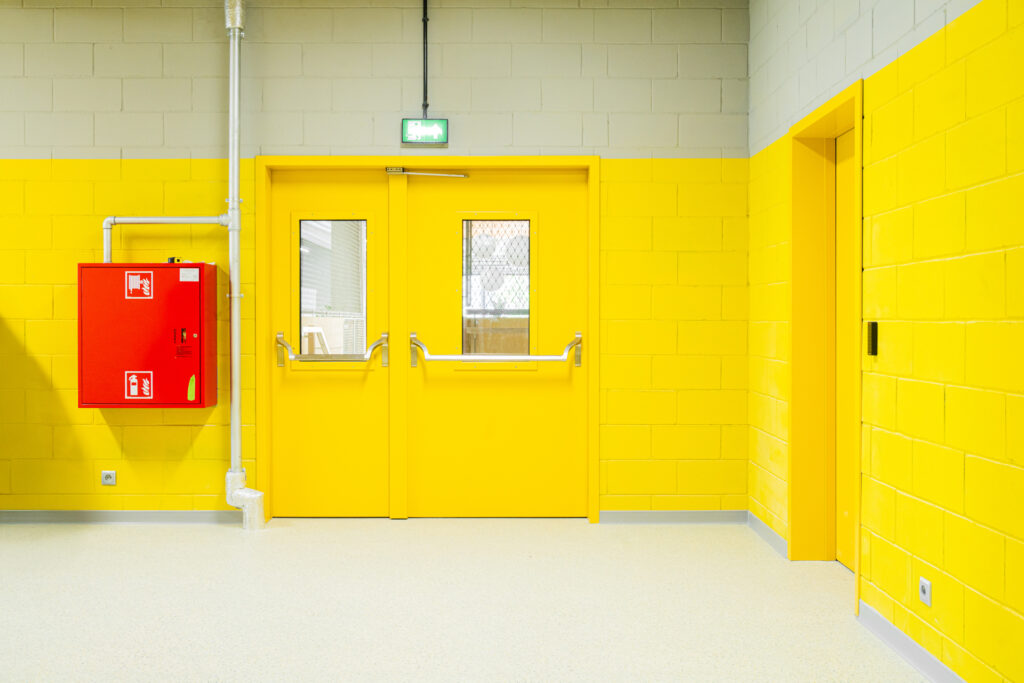
Inside the Evidence: What Six Independent Test Institutes Means
Most manufacturers can show a test report. The questions worth asking are who ran it, how many tests support the range, and who assessed the result.
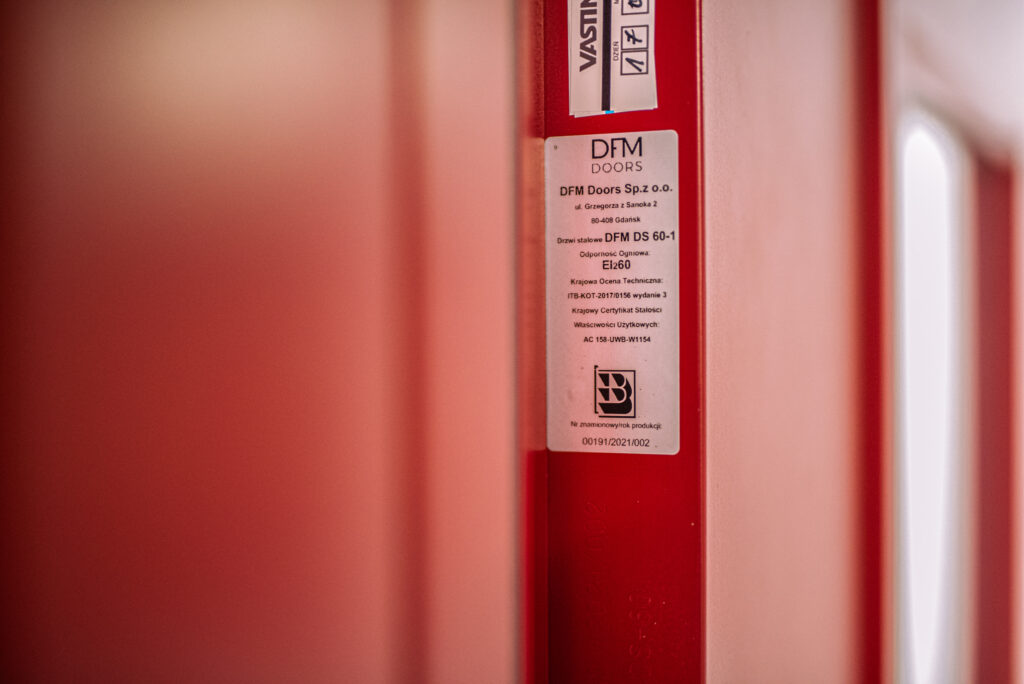
The DFM Technical Desk: Specifying Steel Fire Doors
The DFM Technical Desk — practical specification guidance from the people who answer the phone when a doorset fails inspection.
BS 476 Withdrawal 2029: What It Means, What It Doesn’t
2 September 2029: the date BS 476-22 is withdrawn as a route to CE marking — widely misread as a compliance cliff-edge. It is not one.